It's been nearly
ten years since Resident Evil single-handedly defined what a console horror
game should be, and in that time we've
managed to be scared in all kinds of different ways. When I first started
playing Call of Cthulhu: Dark Corner of the Earth I wondered how effective it
would be; I worried that after a decade of scary games I would be too
desensitized to appreciate its creep out factor. But I was wrong. Cthulhu is easily one of the most frightening
games I have played, managing to freak me out in ways I hadn't even considered.
It's not that Call of Cthulhu has a lot of cheap scares;
it's that the subject matter manages to get under your skin in a way that will
stick with you long after you've shut your Xbox off. Games like Silent Hill and Resident Evil like
to shock you by throwing out enemies when you least expect it, but Cthulhu is a
lot more subtle. This is a game that is
very deliberate, it understands how to pull you into a world that on the
outside looks creepy, but when you start pulling back the layers you quickly
realize that it's among the most disturbing games you will ever play.
Call of Cthulhu is based on the writing of famous horror
writer H.P. Lovecraft, an author who has managed to leave his mark on the
horror genre long after he died. By
using Lovecraft's material the makers of Cthulhu are able to weave a unique
adventure that is never dull, and always full of surprises. We all know how terrible games based on
movies can be, so perhaps that's why it's so refreshing to see how well a book
adaptation works. Cthulhu is a real gem!
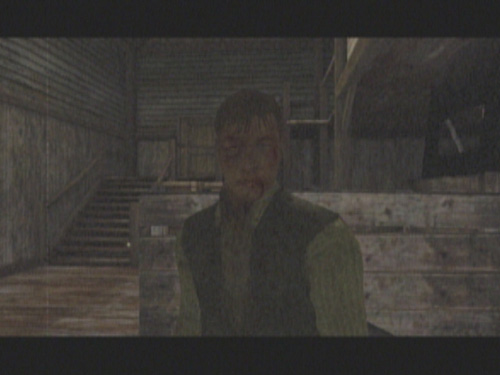
In Call of Cthulhu you play Jack Walters, a private
investigator who is suffering from some serious post trauma-induced
amnesia. Six years earlier Jack had a
fateful meeting that resulted in him losing his mind and being hauled off to
the insane asylum. Ever since then he
has had a deep fascination with the occult, reading every book he can find on
the subject. Jack is hired to track down
a missing person in the town of Innsmouth,
a broken down fishing community that has very little tourism and a lot of
unfriendly citizens.
Unfortunately you quickly realize that this case is more
than just a missing person investigation; this is just the start of what ends
up being a truly memorable adventure. It
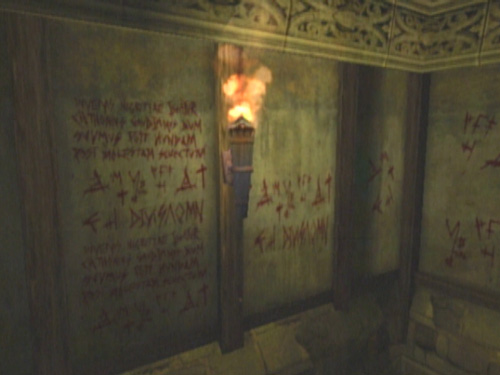
doesn't take long before the town's people start hunting this outsider, but not
before Jack uncovers what appears to be a secret cult called the Order of Dagon
deadest on doing something dastardly. I
won't spoil the secrets of Cthulhu, but it's safe to say that these creepy
individuals are up to no good and it's your job to figure out how to stop them
… like it or not.
But that short description of the game hardly does Cthulhu
justice, it's really just the tip of the iceberg. Call of Cthulhu has a story that is all over
the board, from helping the FBI to battling strange creatures of the sea to
simply rescuing innocent people caught up in tragic situations. And the best part, just when you think you
know where the game is heading it has a strange way of completely flipping
things around; making you always second what comes next. You expect twists and turns from a game like
this, but Cthulhu has a funny way of constantly being one step ahead of you,
successfully creating an atmosphere of unknowing and dread. Just when you get sick of one area, you're thrust
into something completely different, giving the game a good sense of pacing.
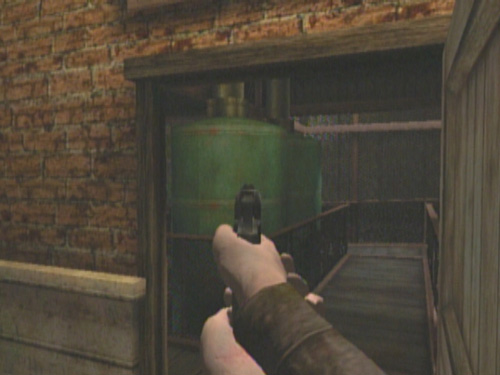
Call of Cthulhu is played from the first-person perspective,
but don't take that to mean it's a first-person shooter. In fact, for quite some time you won't have access to a weapon, so the game ends up
being about you and your investigation skills.
Just because you don't have
your weapon drawn doesn't mean the
adventure is boring, some of the most tense moments of the game come from you
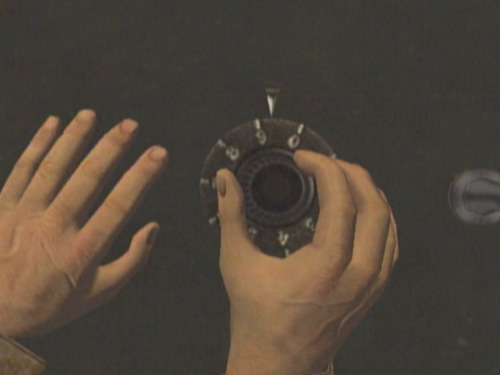
having to figure out how to escape what appears to be certain doom. But while there is excitement, a lot of what
you'll be doing is piecing clues
together and solving puzzles. In a lot
of ways Call of Cthulhu reminds me of the classic 8-Bit adventures like
Shadowgate and Déjà vu, games that put you in dangerous situations that only
your brain can get you out of.
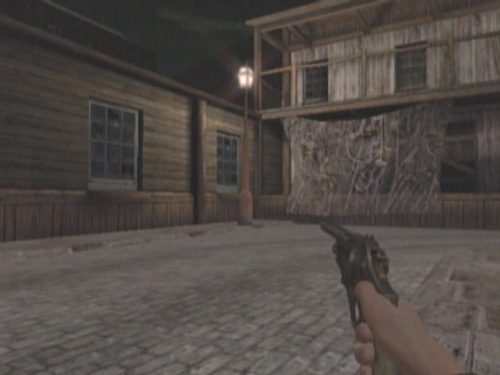
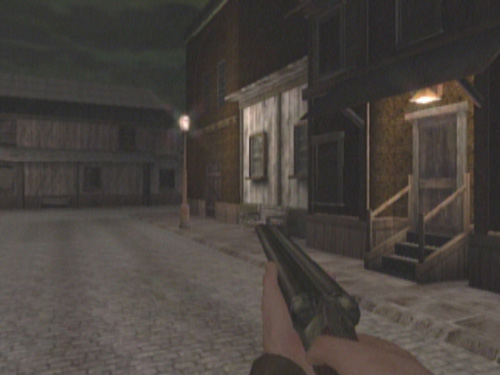
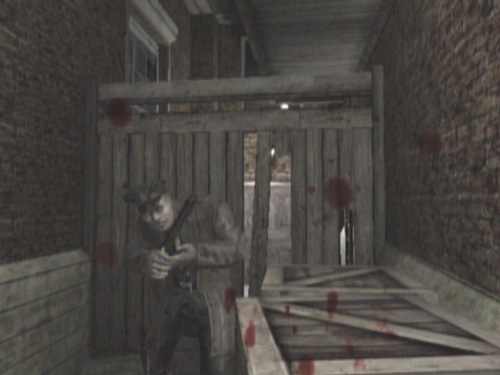
But soon enough you'll get some weapons, including your
basic handguns, shotguns, and even a tommy gun.
Don't expect a lot of futuristic technology, this is 1922 we're dealing
with. After such a long time without
weapons, it's pretty exhilarating to finally take back some control over your
surroundings. Cthulhu does an excellent
job of making you feel helpless, then empowered, and then helpless all over
again; it's a rollercoaster ride full of unique puzzles and heart-pounding action. By the end of the game you will feel warn
out, much like the character you've been playing this whole time.
Outside of a couple of cinemas at the beginning and end, all
of the action is shown from Jack's perspective; so you always see what he's
seeing, experiencing the things that he is experiencing. Actually, that's not entirely true. From time to time you'll flash into somebody
else's point of view, often showing you what is coming up or what the enemies
are doing. At first this seems
confusing, but as you progress through the game you start to understand how
these out of body experiences can help you survive (and even solve
puzzles). You will also find yourself
returning to the asylum in some of the most effective flashbacks in the game,
all done in black and white revealing more about yourself than you cared to
realize. But outside of these sequences,
everything in the game is happening to Jack, which means they are happening to
you.
From the very first moment you meet Jack you will likely
wonder if this guy is up for it; after all, he's batting some major mental
problems and is easily spooked. But
despite all this, Jack the unlikely hero seems up for the adventure, just as
long as he doesn't see too many scary things.
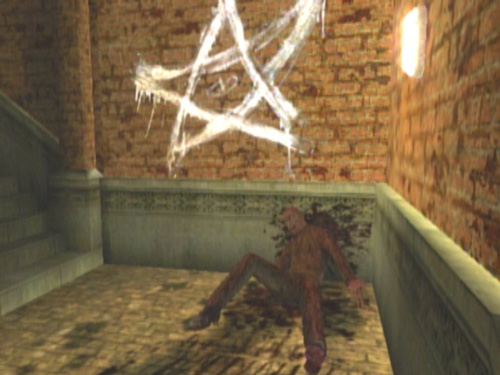
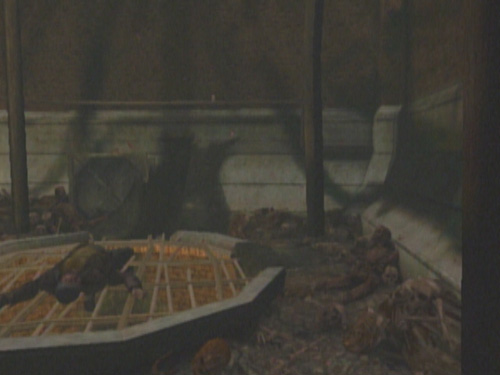
Unlike most adventure games that reward you for looking at everything,
Call of Cthulhu has sprinkled all kinds of disturbing images for you to stumble
across. Look at the wrong thing – a
rotting corpse hanging from a cross, an eerie picture, and just about anything
else that could freak you out – and you'll lose some of your sanity, making the
game a little harder to play. How much
harder? Depending on what you looked at
it could be as bad as your eyes playing tricks on you (making the world sway
and move unnaturally), or simply just hearing voices in your head. Put these together and you have a truly
terrifying experience.
Call of Cthulhu is not the first game to show you losing
your marbles, Eternal Darnkeess: Sanity's Requiem for the GameCube did the same
kind of thing several years earlier.
Since both games did this effect in completely different ways it's hard
to make a decision to which is better, but don't expect to walk on the ceiling
and other unique scares like in Eternal Darkness. Instead you get blurred eyesight, you hear
your heart pounding, and you see things that should not be there … it's a very
effective way of showing you lose your sanity, especially when it happens in
the middle of the intense moments of the game.
Thankfully you can minimize your loss of sanity by just ignoring all of
the disturbing things around you, but that's easier said than done.
One thing you'll
notice about Call of Cthulhu from the very beginning is the complete lack of a
heads-up display. No life bar, no map,
no objective information … this game is all about what you see and nothing
more. You can check some of this stuff
in the inventory menu, but you'll
have to pay close attention if you want to know how much life you have. When you're
injured there will be blood on the screen, you'll
grunt and ache, your heart will pound louder than normal, and the colors from
the background may start to fade.
Thankfully you won't have to
search around for green herbs or other strange objects to cure yourself; all
you need to do is use a med-kit to fix your ailments. The med-kit features a number of useful
items, each needing to be placed on the correct location in order for you to
heal. You have a cure for poisonings;
you have a splint for broken bones, stitches, and even bandages. In the inventory screen you are able to place
these items all over your body (where ever it shows you being injured), so you'll be keeping track of everything from your head
all the way down to your legs. It's not too hard to heal yourself, but it can be
somewhat time consuming.
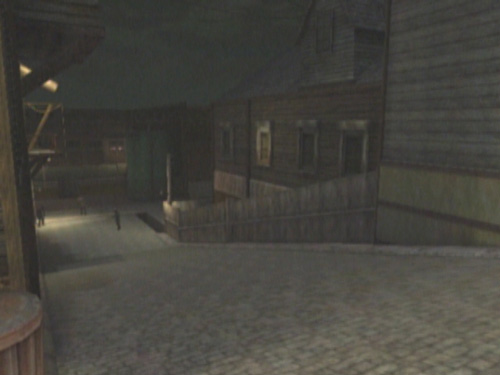
Unfortunately there are a few noticeable problems with Call
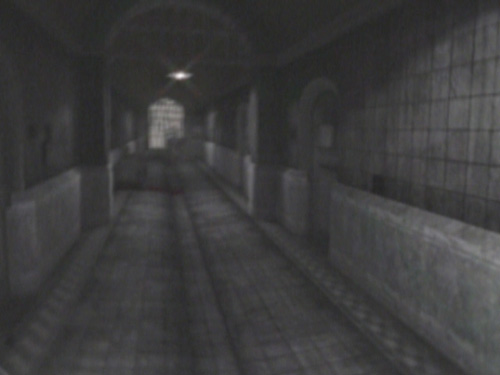
of Cthulhu, including the somewhat dated graphics. It's not that the game looks bad, but certain
parts of the game look like they were created years ago and the game has just
been sitting on the shelf. Also, some of
the weapons are kind of hard to use thanks to the inaccurate aiming. And considering how much stealth you have to
do in the game, it would have been nice if Jack was a little better at it. Granted, he's just a private investigator
with amnesia so we shouldn't expect him to give Solid Snake or Sam Fischer a
run for their money, but his clumsy sneaking can result in a few too many
unnecessary deaths.
Oh, and then there's the fact that you'll need to redo some
sequences over and over again. Some of
the most tense situations require you to do everything exactly right, something
you might not catch the first, second, or even third attempt. These moments of frustration are few and far
between, though, and once you've figured them out (thanks to trial and error)
you have a great feeling of accomplishment.
Even with these brief moments of frustration, you'll always want to see
what's past them and learn the rest of the story.
The story itself is the real gem of Call of Cthulhu; it's a deep
story that only continues to get more interesting as you play through to the
end. Better yet, once you've beaten the
game it's well worth going through a second time, if only so that you better
understand what is going on early in the game.
Since much of this game leaves you in the dark until the later chapters
it's nice to be able to go back and really understand each characters
motive. There are a lot of games with
good stories, but not many with the amount of layers Call of Cthulhu has.
Cthulhu's dark tone and brutally serious story may turn off
some gamers; this is not a game for everybody.
But those who enjoy survival horror games should have a look to this
game if they want to find a story that will get under their skin like no
other. It would be easy to write this
game off as nothing more than another first-person adventure game, but it does
what it sets out to do brilliantly and is fully worth the price of admission. Call of Cthulhu may not be the biggest game of
the year, but it's one of the most surprising; don't let this mystery go
unsolved.