Galactic Civilization 2 Interview
We all know space is the final frontier but Kirk and company were all about exploring it, meeting new aliens species and even sleeping with them. There was nothing about conquering all of that space and imposing your will on the new alien races. No great intergalactic battles. This is one of the reasons we liked the first Galactic Civilization so much. Not only was it a great turn based strategy game but there was none of that Federation mumbo jumbo to get in the way of creating our own ginormous space empires. With the sequel to that game finally starting to appear on the horizon we got to chat with one of the folks at Star Dock about what we can expect from the upcoming game.
GamingNexus: Can you introduce yourself and
describe your role on the project?
My
name is Brad Wardell and I
Brad Wardell: The biggest new features
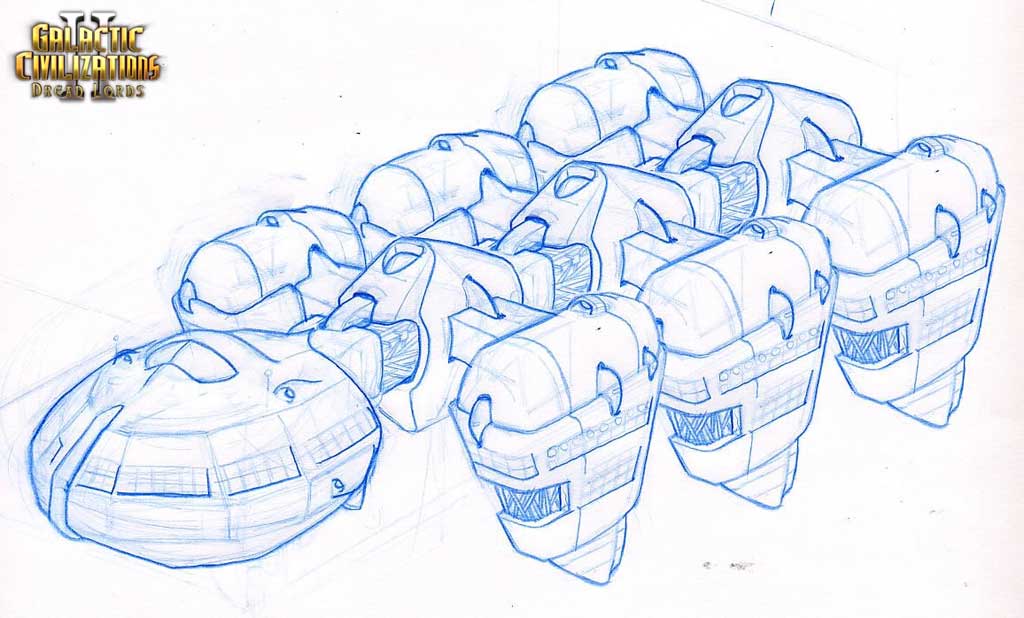
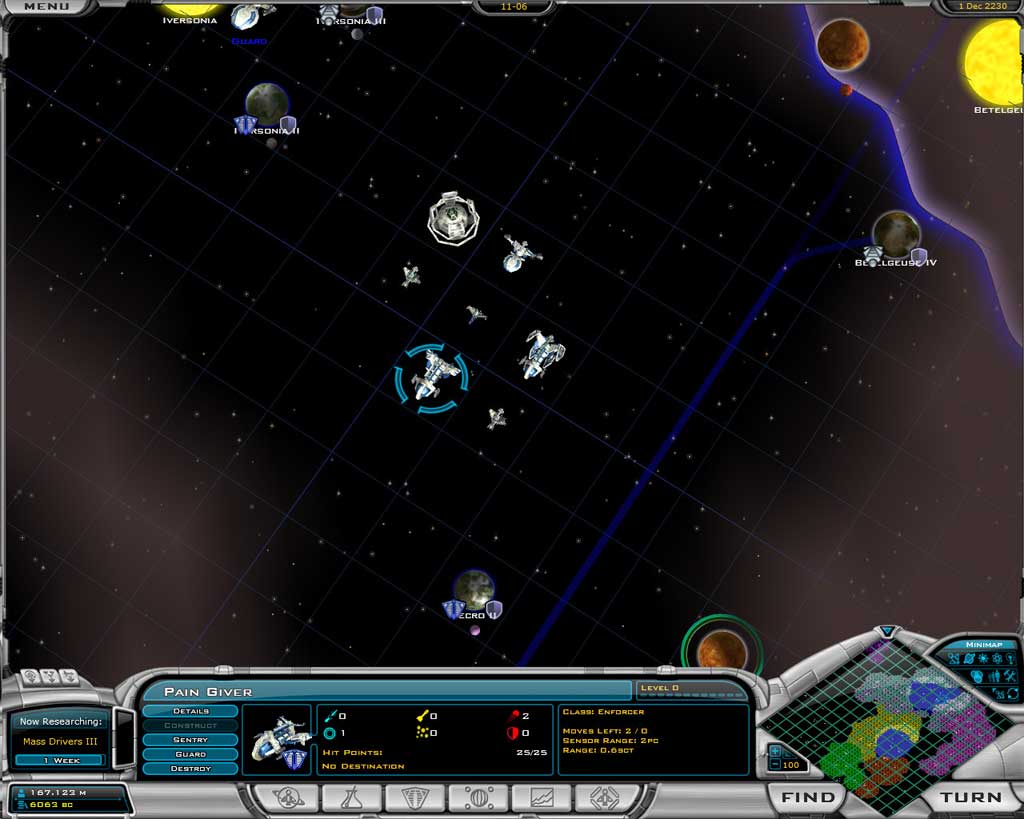
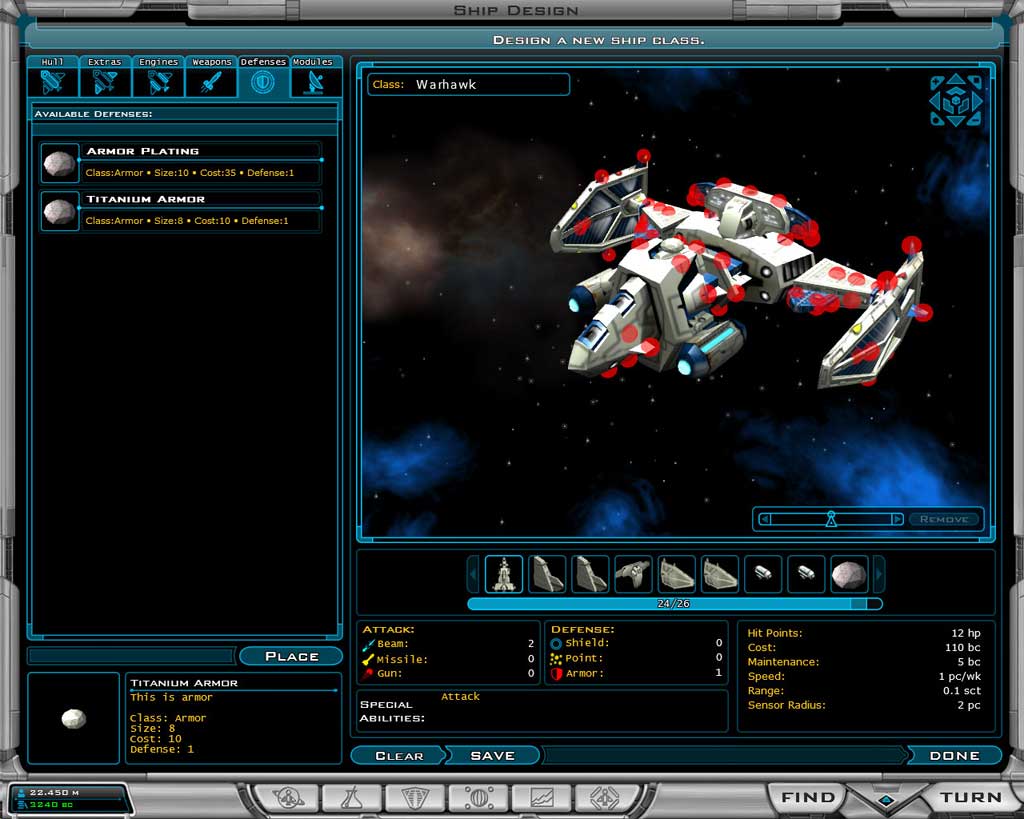
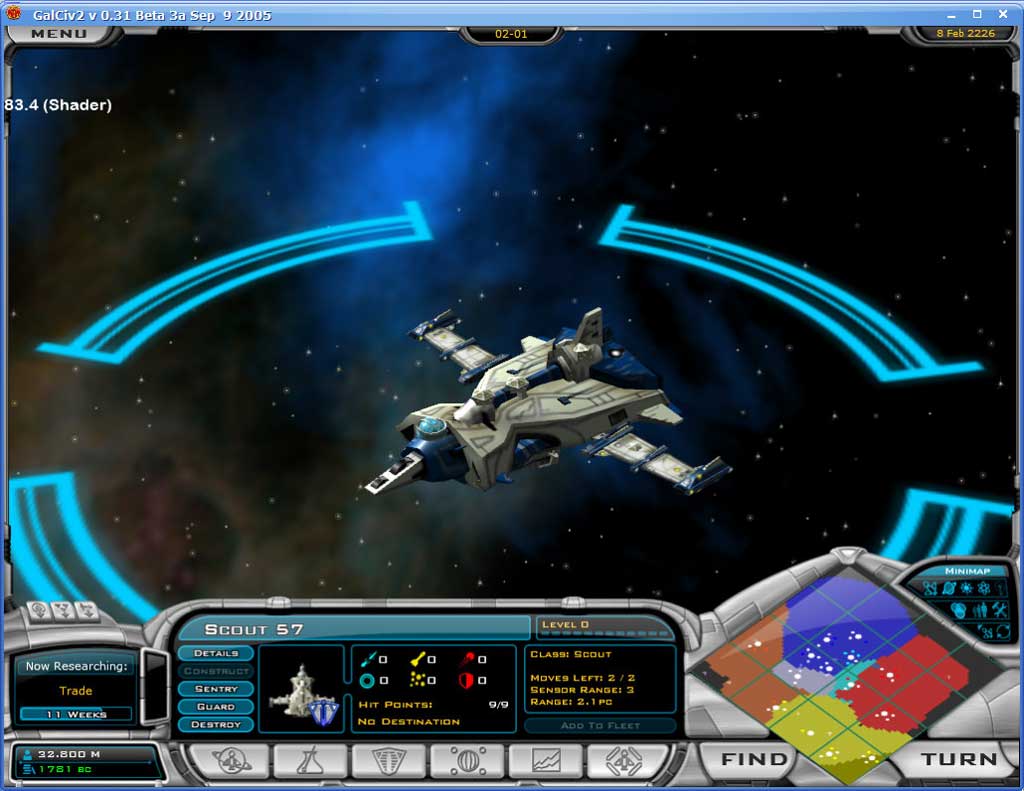
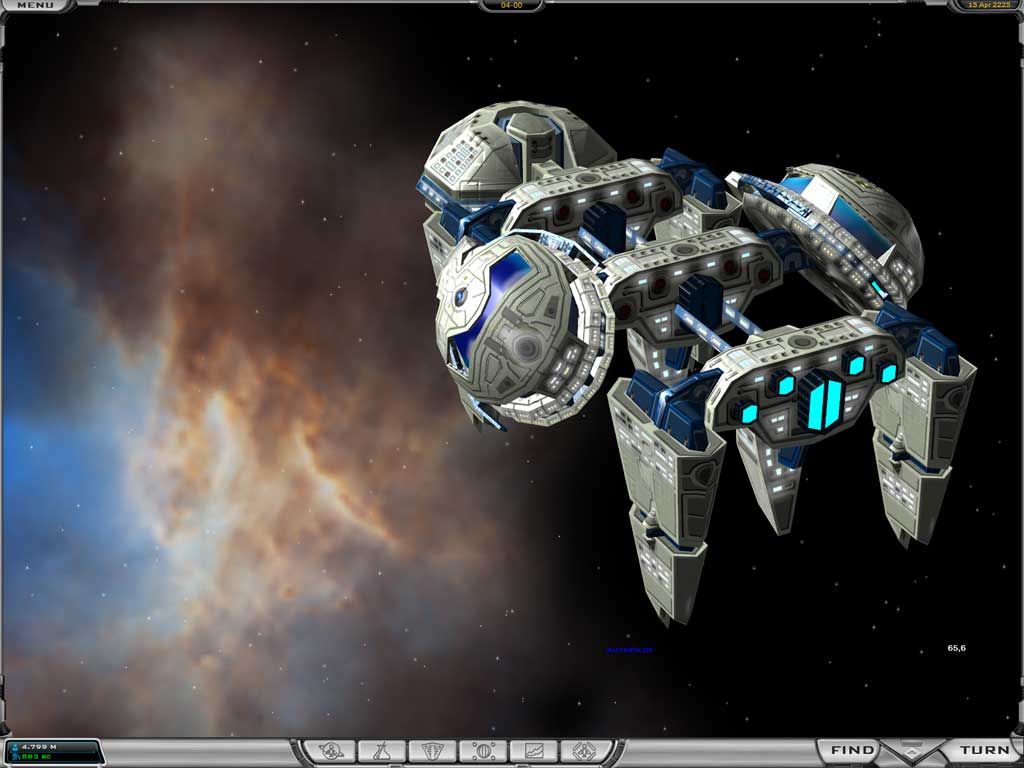
include the ability to design your own starships from scratch, unique
planets/colonies and the new map system, in which planets are part of the map.
Finally, we
Brad Wardell: I agree and in fact, in
GalCiv I the improvements were just kind of pointless. They just added to the
bottom line on all your planets, rather than having any kind of tactical or
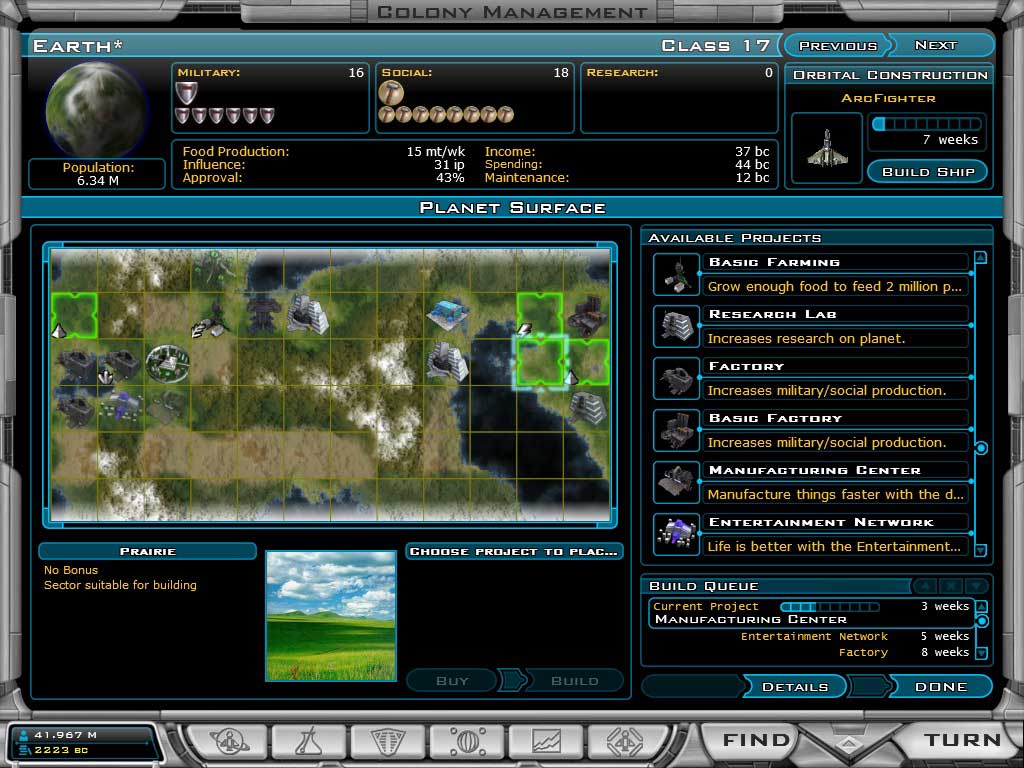
strategic value. In Galactic
Civilizations II, the planet class determines how many usable tiles there are
on a planet. You build improvements on those tiles and as a result, you can
only build a finite number of improvements on a planet. This tends to reduce micromanagement and
introduce a lot of strategic options.
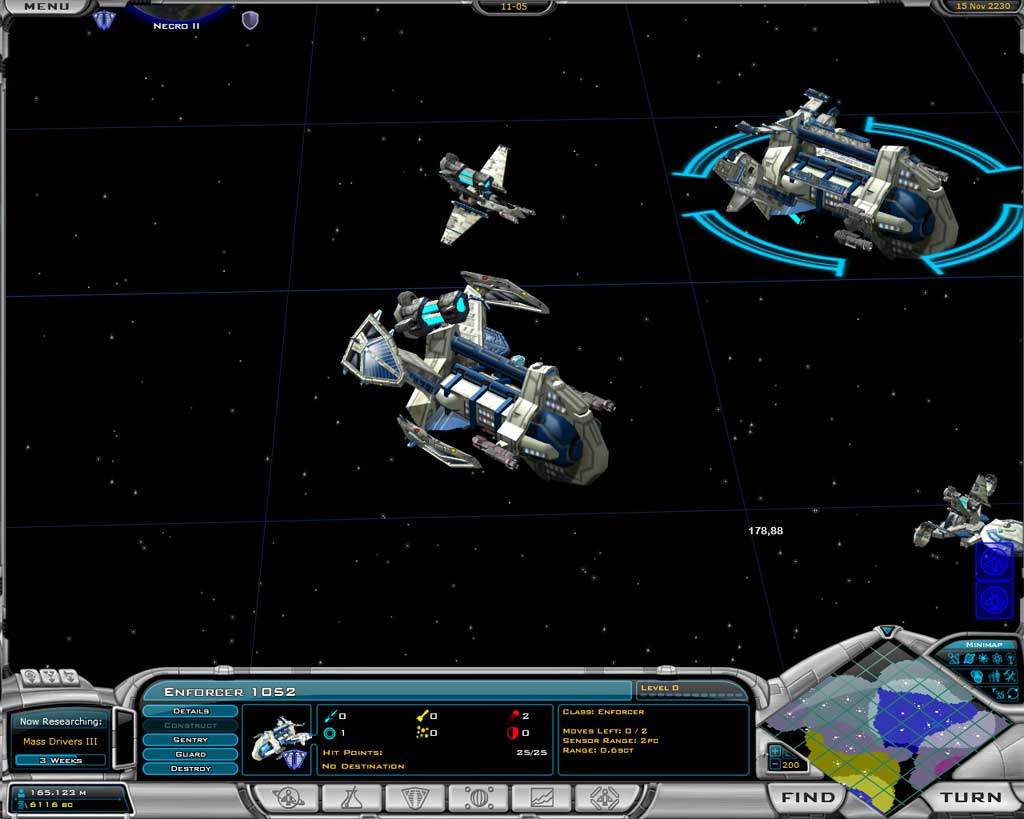
Brad Wardell: Designing ships can be a
snap. The player can literally just
click on a ship size and then click on the various items and the game will
equip it for them. That way, people who aren
GamingNexus: Will there be a full campaign,
a la The Altarian Prophecy? Any hints as
to what might be in store for us?
Brad Wardell: Yes. In fact, it has a dynamic campaign - you can
lose missions and go onto an alternative story.
This story is much darker than the first one and the ending, I think,
will be a bit of a shocker for players.
Brad Wardell: You can still customize
your races like you did in the first game, but this time you can actually
design your own races (what they look like, what techs they start out with,
etc.). In terms of balancing, we
Brad Wardell: Galactic Civilizations II
has much more fan-base support built in.
For instance, the Metaverse stuff is much more sophisticated this time
around, with the player being able to design characters and logon with their
GalCiv account into the game right from the start.
Brad Wardell: This time we did the
plumbing for multiplayer, but we didn
End of February 2006.
* The product in this article was sent to us by the developer/company.

About Author
I'm an old-school gamer, and have been at it ever since the days of the Atari 2600. I took a hiatus from the console world to focus on PC games after that, but I've come back into the fold with the PS2. I'm an RPG and strategy fan, and could probably live my gaming life off a diet of nothing else. I also have soft spot for those off-the-wall, independent-developer games, so I get to see more than my share of innovative (and often strange) titles.
Away from the computer, I'm an avid boardgamer, thoroughly enjoying the sound of dice clattering across a table. I also enjoy birdwatching and just mucking around in the Great Outdoors.
View Profile
